Zero-Waste

Zero Waste traveling

Zero Waste traveling

Introduction
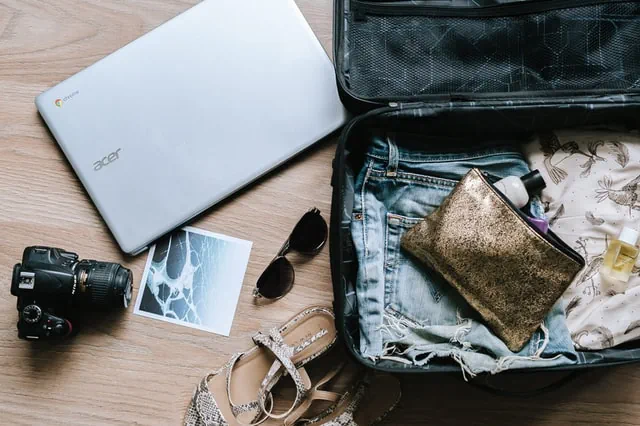
Black DSLR camera near sunglasses and bag. Artist: Anete Lūsiņa

We’ve covered by now some zero-waste food essential topics. Trust me, we can get more detailed than that, but it’s totally fine to start with some basics. What’s really interesting is, going along with this zero-waste movement, have you ever questioned yourself how to travel with as little trash as possible, or even zero-waste? You know, going completely plastic free, looking for ways not to leave food behind and maybe even recycle on the go. If you were to ask my mom, she would without a doubt say it takes the relaxation out of her vacation. But honestly, what do you think? Is it possible? Is it something you can see yourself doing the next time you travel, or when you get a chance to cross the borders the minute they re-open? I can’t even explain how eagerly I’m waiting for my next expedition. Everything is planned, I just need this pandemic to magically go away, and free us all. Go ahead, laugh. But, if you ask me, it’s good to be prepared in advance.
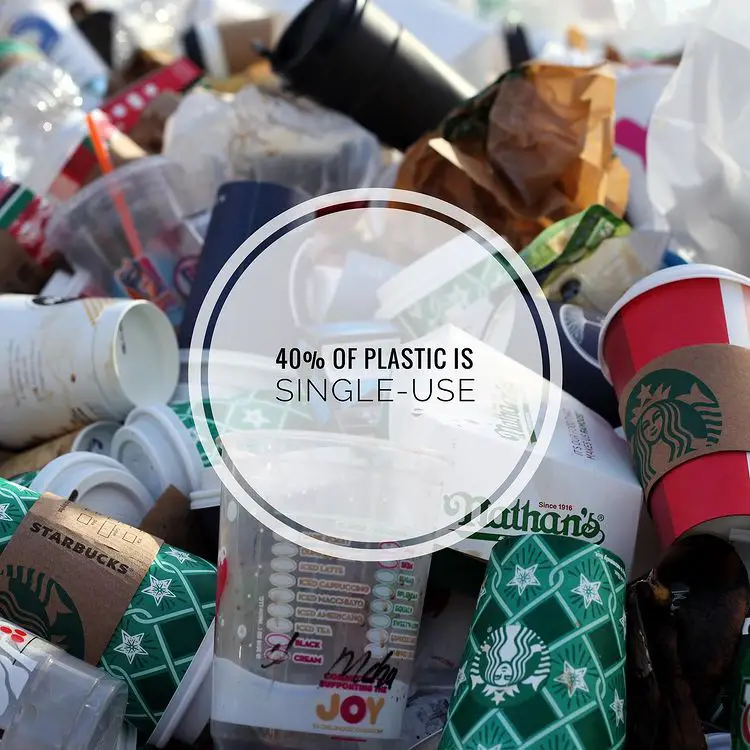
40% of plasic is for single use

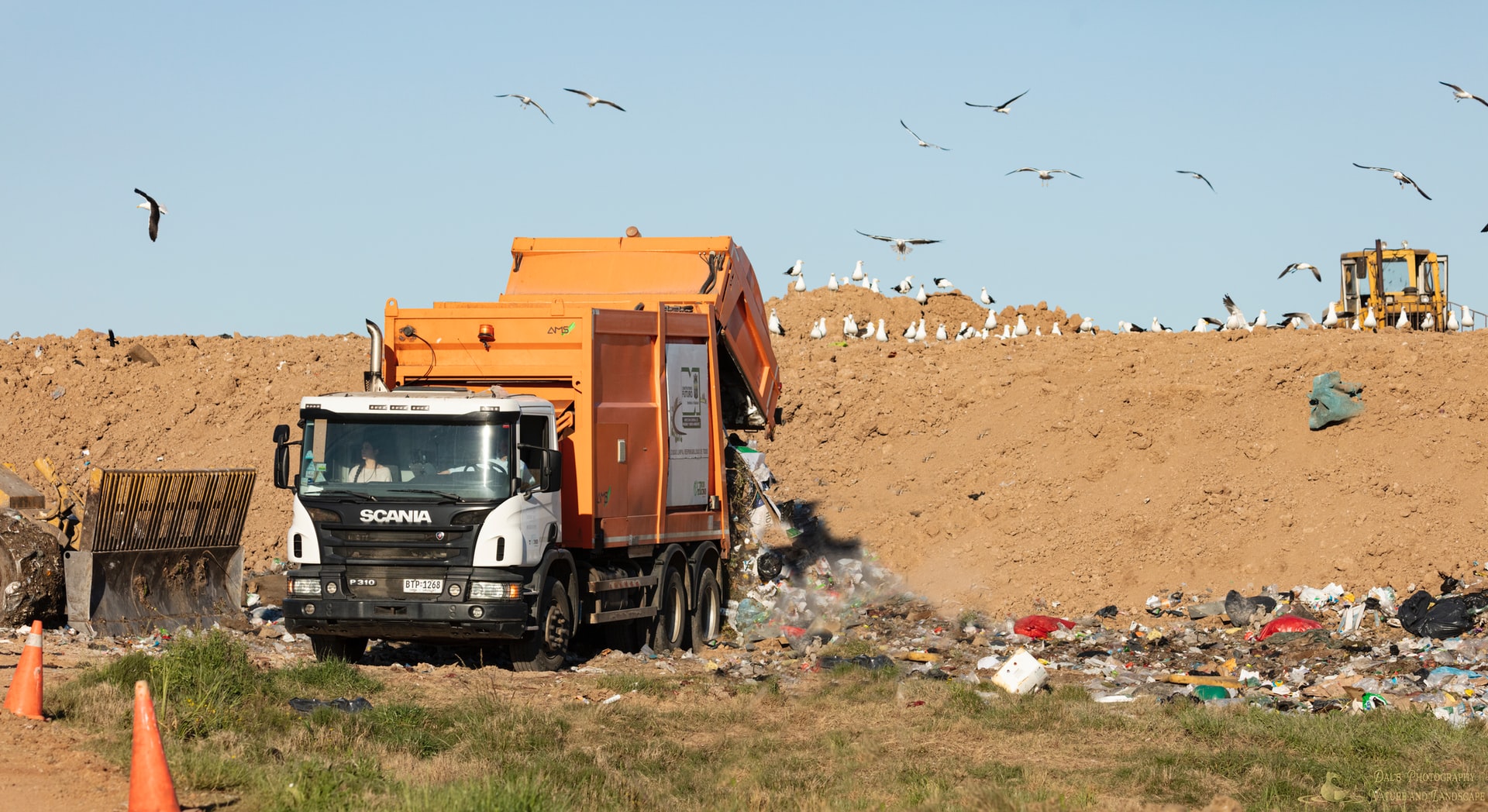
According to the article, published by @natgeo, research has shown that roughly 40% of plastic production per year is single-use plastic packaging. Coffees to go, take outs, and similar packing that can’t be recycled if not prepped according to regulations. All this leaves us with a massive pile of trash that gradually just piles up. Scientists even call this “The Plastic Age”.

Trash and waste from EcoJungle Instagram

Trash and waste from EcoJungle Instagram

Zero-Waste Eating for Beginners

Introduction

Welcome to the Plastic Age, as scientists have named it, with many types of research showing plastic pollution has rapidly been increasing in the past few decades. Therefore I guess it’s safe to say this topic is not new. We have been introduced to this environmentally changing moment for some time now.

Looking at how plastic came to be, and what it brought, it was somewhat revolutionary. Life-saving devices were brought to medicine, space travel became possible, incubators, equipment for clean water drinking, and many more. The conveniences plastics offer, however, led to throw-away culture. Today, single-use plastic takes roughly about 40% of plastic production per year. These products wrap our food, “help” it’s delivery from supermarkets to our doors, beverages are taken to-go. They may be used for five minutes or few hours, but the amount of time it takes for them to decay takes centuries. Honestly, it’s scary to even think about these consequences. Truthfully, it might feel like a huge amount of pressure. As if everything is up to you to change, and no responsibilities for others to take. Questioning what actions to be made, or simply is there a point to begin dealing with such requirements. But the harsh truth being, if we don’t start now, where will we be tomorrow?